Why Pest Control Services Are Essential for Modern Homeowners
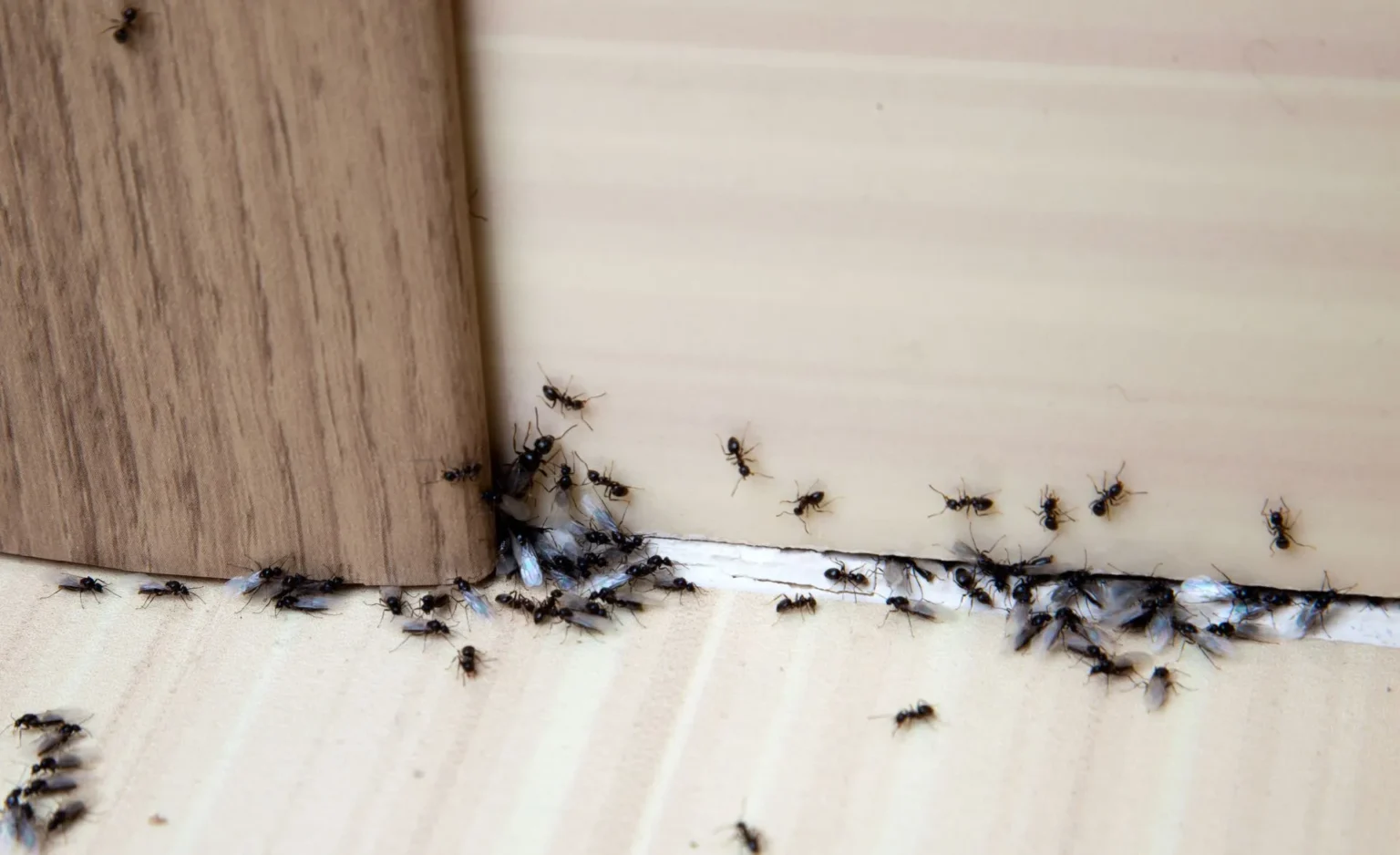

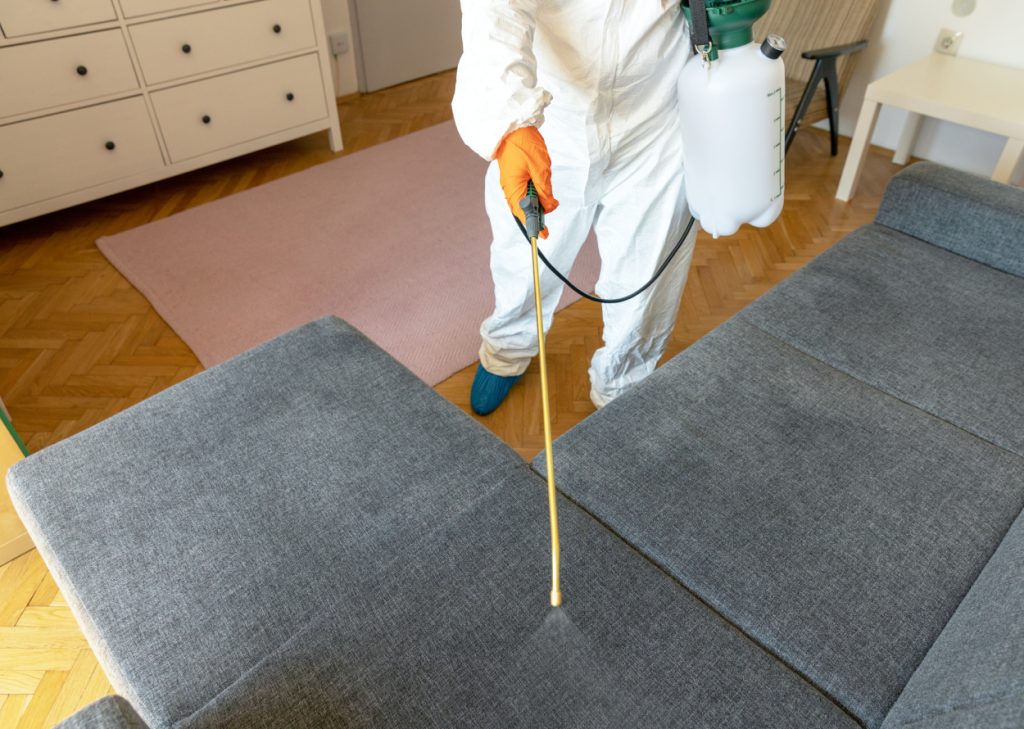
A house can look immaculate and still hide a pest problem that is expensive, unhealthy, and surprisingly difficult to reverse. That is one reason homeowners who once viewed pest control as an occasional convenience now treat it as part of regular property care. Pests have adapted well to modern living. Warm crawl spaces, tightly insulated attics, irrigated landscaping, pet food, pantry goods, cardboard storage, and year-round indoor climate control create ideal conditions for insects and rodents. The result is not merely annoyance. It is risk, and in many cases, cumulative damage that grows quietly until repair costs dwarf the price of prevention.
Homeownership already comes with a long list of maintenance demands, from roofing to drainage to HVAC service. Pest management belongs in that same category. It protects structural materials, preserves indoor air quality, reduces contamination, and helps families avoid the stress that follows an active infestation. Professional Pest Control Services do more than kill visible bugs. Done properly, they identify causes, interrupt breeding cycles, seal entry points, and build a long-term barrier around the home.
That distinction matters because many people do not call for help until the problem has become obvious. By then, ants may have satellite colonies behind walls, mice may have nested in insulation, termites may have tunneled unnoticed through wood, or cockroaches may have spread into appliances and plumbing voids. Experienced technicians know that what a homeowner sees is often a fraction of what is actually present.
A modern home is attractive to pests for practical reasons
Older homes had their own vulnerabilities, but modern houses offer a different set of opportunities. Energy-efficient construction can reduce airflow in ways that trap warmth and moisture. Landscaping often brings mulch, shrubs, wood edging, and drip irrigation right up to the foundation. Storage habits have changed too. Many garages and basements are full of shipping boxes, seasonal décor, sporting gear, and bulk pantry items, all of which create shelter and food access.
Weather patterns play a role as well. Heavy rain drives insects and rodents indoors. Drought pushes them toward water sources around kitchens, bathrooms, and condensate lines. Mild winters allow populations to survive that would once have died back. In some areas, longer warm seasons have extended breeding windows, which means pests can establish themselves faster than homeowners expect.
One common mistake is assuming cleanliness alone prevents infestations. Good housekeeping certainly helps, but it is not a complete defense. Even a spotless kitchen can attract odorous house ants if a branch touches the roofline and opens a travel path. A luxury home can develop a termite issue because mulch was piled too high against siding. A well-maintained suburban property can host roof rats if fruit drops in the yard or attic vents are not screened. Pest pressure is often about access and habitat, not neglect.
The real costs go far beyond discomfort
Most people first notice pests because they are unpleasant. Roaches trigger disgust. Wasps make outdoor spaces feel unsafe. Mice in a pantry are unsettling. Yet the deeper reason to take infestations seriously is that they impose several kinds of cost at once.
Structural damage is often the most expensive. Termites consume wood from the inside out, which means a beam or sill plate can lose integrity long before external signs appear. Carpenter ants do not eat wood the way termites do, but they excavate it for nesting and can exploit water-damaged areas with alarming speed. Rodents gnaw on wiring, ductwork, insulation, and even PVC. I have seen attic spaces where a minor mouse issue turned into thousands of dollars in rewiring because the animals chewed through cable jackets in multiple runs.
There is also contamination. Rodents leave droppings and urine in hidden areas, especially attics, crawl spaces, cabinet voids, and behind appliances. Cockroaches spread bacteria mechanically and can contaminate food prep surfaces and storage areas. Pantry pests, though not dangerous in the dramatic sense, can ruin large amounts of dry goods and lead to recurring kitchen frustration. If the home includes a baby, an elderly family member, or anyone with a compromised immune https://maps.app.goo.gl/QyjdmoM1No7E2kvM9 system, the tolerance for contamination should be especially low.
Allergies and respiratory irritation are another underappreciated issue. Roach allergens are a known trigger, and rodent nesting material can worsen air quality in enclosed spaces. When pests are active in duct-adjacent areas, the effect can extend beyond the room where the infestation started. Homeowners sometimes chase dust or ventilation explanations for months before discovering that the root cause is biological, not mechanical.
Then there is the cost in time and peace of mind. Once pests establish themselves, daily routines change. Food gets over-sealed. Sleep is interrupted by scratching in walls. Outdoor gatherings get shortened because mosquitoes or stinging insects dominate the yard. Children become afraid of basements or garages. Even after an infestation is resolved, people often remain anxious until they trust that the home is protected again.
Why do-it-yourself treatments often miss the mark
Store-bought sprays, traps, foggers, and bait stations have their place. For a very minor issue, a careful homeowner may handle it successfully. The problem is that pests are rarely as simple as they first appear. Over-the-counter products tend to focus on the pest in front of you, while professional work focuses on the source, the route, the breeding site, and the conditions allowing the problem to continue.
A classic example is ant control. Many homeowners spray the line of ants they see marching across a counter. The line disappears for a day or two, which feels like success. Then it reappears from a different crack. Surface sprays may kill foragers without reaching the colony, and in some species, improper treatment can fragment the colony and make the issue harder to solve. Effective control requires identifying the species, understanding whether the nest is indoors or outdoors, and choosing a bait or treatment strategy that workers will actually carry back.
Rodents present a similar challenge. Setting a few traps in the kitchen can catch individual mice, but if technicians do not find the entry points, the food sources, and the nesting areas, the population simply replenishes itself. Mice can fit through openings around a quarter inch wide. Rats need more room, but they are strong climbers and can exploit rooflines, utility penetrations, and damaged vents. Sealing a home correctly is painstaking work. It requires material judgment, not just foam in a gap. Improper exclusion either fails quickly or creates moisture and ventilation problems elsewhere.
Pesticide misuse is another concern. More product does not always mean better control. In some cases, it reduces effectiveness, drives pests deeper into wall voids, or creates unnecessary exposure for children and pets. Professionals are trained to apply materials where they matter and to combine treatment with non-chemical strategies, including sanitation recommendations, moisture control, and physical exclusion.
What professional Pest Control Services actually provide
Many homeowners imagine a technician arrives, sprays the perimeter, and leaves. Reputable Pest Control Services are more comprehensive than that. The best work starts with inspection. A technician looks for signs of activity, but also for the conditions that allow activity to persist. That includes water intrusion, foundation cracks, door sweeps, attic penetrations, cluttered storage, wood-to-soil contact, and landscape features that bridge the gap between the yard and the house.
A thorough service plan usually blends several methods:
- inspection and pest identification
- targeted treatment, rather than blanket overuse
- exclusion work to block entry points
- monitoring and follow-up visits
- homeowner guidance on moisture, storage, and sanitation
That sequence matters. If species are misidentified, treatment may be ineffective from the start. If treatment is applied but entry points remain open, the home is still vulnerable. If monitoring does not continue long enough, the problem may appear solved even while a breeding population remains. Good pest control is less like a one-time purchase and more like a maintenance discipline with clear stages.
In termite work, for example, professionals assess far more than visible mud tubes. They evaluate conducive conditions around the entire structure, including drainage patterns, landscaping, porch attachments, crawl space humidity, and wood contact near grade. With bed bugs, the service often involves intensive inspection of seams, furniture joints, adjacent rooms, and travel history, followed by repeat visits because eggs and hidden insects can survive an initial pass. With mosquitoes, technicians assess standing water, dense foliage, shaded resting areas, and breeding containers, not just open lawn.
Prevention is almost always cheaper than restoration
Homeowners understand preventive maintenance when it comes to roofs and heating systems. Pest control deserves the same logic. A seasonal or quarterly service plan may feel optional when there is no visible problem, but that is precisely when it offers the most value. The cost of keeping ants, spiders, roaches, rodents, and seasonal invaders in check is generally modest compared with repairing structural wood, replacing contaminated insulation, or remediating a widespread infestation.
Consider termites. In many regions, repair bills from termite damage can reach several thousand dollars, and severe cases can climb much higher depending on accessibility and structural involvement. Insurance frequently does not cover that damage. By contrast, routine inspections and preventive systems cost a fraction of the price. The same principle applies to rodents in attics. Exclusion and monitoring are far cheaper than replacing soiled insulation, sanitizing droppings, and fixing chewed wiring after a full-season infestation.
Prevention also buys time. It is easier to schedule a routine inspection at your convenience than to scramble for help after discovering a wasp nest near the front door before a family gathering, or hearing scratching in the ceiling the week guests arrive. Emergencies compress decision-making, and rushed choices often lead to higher costs or incomplete solutions.
Health and safety make the case stronger
There are homes where a pest issue is largely a nuisance, and there are homes where it becomes a health management issue. Families with infants, people with asthma, older adults, or anyone sensitive to bites, stings, and allergens should think differently about exposure. The threshold for action should be lower.
Cockroaches are a good example. Even low-level activity can matter, especially in kitchens and utility spaces. Roach allergens can persist in dust, and infestations spread efficiently through plumbing chases, shared walls, and appliance cavities. In a detached single-family home, early intervention prevents a localized problem from becoming a house-wide one. In attached housing, it may also require coordination with neighbors or property management, which is another reason professional documentation and treatment plans are useful.
Stinging insects present a different kind of risk. A small paper wasp nest under an eave may not threaten everyone, but for someone with a serious allergy, it changes how they use their own property. Mosquito control can also be important where local conditions support large populations. Even where disease risk is low, heavy mosquito pressure can make yards, patios, and play areas effectively unusable during warm months.
Rodents deserve special mention because people often underestimate their mobility. A mouse seen in the kitchen may have traveled through wall cavities, insulation, and stored items before emerging. That means contamination is rarely confined to one visible spot. Professional cleanup recommendations, paired with trapping and exclusion, can significantly reduce risk.
Seasonality changes the threats homeowners face
Pest patterns are not static, and that is one reason one-time treatments often disappoint. Spring may bring ant swarms, termite activity, and renewed wasp nesting. Summer can intensify mosquitoes, flies, and outdoor nuisance insects. Fall is peak entry season for many rodents as temperatures drop and food sources change. Winter often reveals hidden populations that have moved indoors and settled into attics, basements, and wall voids.
Experienced technicians plan around these cycles. They know when to monitor for swarmers, when to reinforce exterior barriers, and when to focus heavily on exclusion. Homeowners benefit because the response becomes proactive rather than reactive. A quarterly visit is not just a repeat of the last one. It should reflect what pests are doing at that time of year on that type of property in that climate.
Regional variation matters too. Homes in humid areas deal more often with moisture-loving pests and fungal conditions that support wood-destroying insects. Rural or wooded lots may see more pressure from carpenter ants, wildlife intrusions, and ticks. Dense suburban neighborhoods often face recurring ant and rodent movement between adjacent properties. Coastal regions have their own patterns, especially where high humidity and mild winters keep pest activity going longer than expected.
The hidden value during real estate ownership and resale
Pest control has a financial dimension that becomes especially obvious during a sale or refinance. Evidence of termites, rodent damage, or unresolved infestation history can complicate inspections, slow negotiations, and reduce buyer confidence. Even when damage is repairable, buyers tend to assume the worst when they hear the word infestation. A documented history of professional inspections and treatment can counter that uncertainty.
For current owners, the benefit shows up earlier. Ongoing service creates records, identifies small issues before they become disclosure problems, and supports the overall appearance of responsible maintenance. A home that smells clean but has visible droppings in a garage, ant activity at baseboards, or active nests near entryways sends a mixed message about care. Buyers notice that. So do appraisers and inspectors.
Choosing the right provider requires some judgment
Not all pest companies operate at the same level. Some are excellent at routine perimeter maintenance but less experienced with serious infestations or exclusion work. Others specialize in termites, wildlife, or complex structural issues. The right fit depends on the property and the problem.
When evaluating Pest Control Services, homeowners should pay attention to a few practical indicators:
- whether the company inspects before quoting extensive treatment
- how clearly it explains the pest, the plan, and expected timeline
- whether it discusses non-chemical prevention, not just product use
- how it handles follow-up if activity continues
- whether recommendations match the home’s specific conditions
A trustworthy provider does not promise miracles overnight for every pest. Some issues resolve quickly, but others require staged treatment, behavior changes, and repeat visits. Bed bugs, German cockroaches, and entrenched rodent problems often fall into that category. Straight answers are a good sign. So is a technician who points out moisture issues, landscaping concerns, or storage habits that contribute to the problem, even when those things are outside the narrow scope of spraying.
Homeowners still play an important role
Professional service is most effective when the homeowner supports the environment around it. That does not mean a long checklist of chores every week, but it does mean paying attention to the conditions pests exploit. Leaky hose bibs, overflowing gutters, pet food left overnight, thick vegetation against siding, and piles of cardboard in damp storage areas all weaken the results of even the best service plan.
Communication helps too. If activity changes, if a new pest appears, or if a certain room seems worse after rain, that information can be valuable. Patterns often tell technicians where to look. A homeowner who mentions hearing scratching only at dawn, or seeing ants only after heavy irrigation, may provide the clue that shortens the whole process.
There is also value in acting early. People often wait because they hope the issue will fade on its own. Occasionally it does. More often, pests settle deeper, spread wider, and become more expensive to remove. The difference between a quick intervention and a difficult remediation is often a few weeks of delay.
What essential really means
Calling pest control essential is not marketing language when viewed from the homeowner’s side of the ledger. A home is both shelter and investment. Anything that threatens its structure, sanitation, livability, or resale value belongs in the essential category. Pests do all four. They exploit tiny weaknesses, multiply out of sight, and create damage that can be gross, costly, and emotionally draining.
Modern homes are comfortable for people, but they are comfortable for pests too. Professional Pest Control Services help restore the balance. They bring diagnosis instead of guesswork, prevention instead of repeated crisis, and a level of technical judgment that most homeowners do not need until suddenly they do. For those who have dealt with termites behind finished walls, mice in attic insulation, or cockroaches seeded through kitchen voids, the lesson is usually the same. Waiting is expensive. Prevention is calmer, cleaner, and far easier to live with.
Affordable Pest Solutions LLC
Phone number: +19732299547
FAQ About Pest Control Services
How much does pest control charge?
For a standard 1,500-square-foot home, professional pest control charges generally average $100 to $300 for an initial visit, with ongoing monthly services running $40 to $75 per visit and one-time emergency exterminations costing $100 to $600, depending heavily on the specific pest and the severity of the infestation.
What is the hardest pest to get rid of?
Bed bugs are widely considered the hardest household pest to get rid of, closely followed by German cockroaches and subterranean termites.
What is included in a pest control service?
A standard pest control service includes a property inspection, targeted treatments, and prevention advice. It typically covers common pests like ants, spiders, and cockroaches, using sprays, baits, or traps.